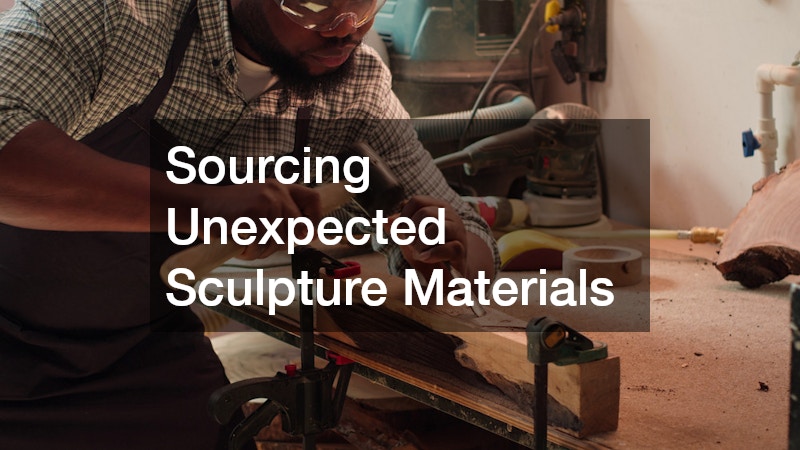

For centuries, classical sculpture has been synonymous with standard fine-art mediums like marble, cast bronze, and refined clay. Masterpieces were born from predictable supply chains, governed by centuries of academic tradition and uniform physical properties. However, the contemporary sculptural landscape favors artists who look past traditional fine-art catalogs to find raw inspiration in unexpected places. The modern studio has transformed into an alchemical laboratory where industrial refuse, domestic remnants, and commercial-grade geological materials are intercepted, deconstructed, and reassembled into compelling three-dimensional narratives. This shift away from conventional supplies allows creators to break free from historical constraints and challenge the very definition of spatial art.
Sourcing unconventional materials introduces complex challenges in mechanical bonding, archival preservation, and structural integrity. Using non-traditional media without understanding their physical properties can lead to chemical degradation, structural collapse, or toxic studio hazards. An unexpected medium might look stunning during the initial assembly phase, only to warp, discolor, or disintegrate under changing thermal conditions or UV exposure. Building a sustainable contemporary sculpture practice using unexpected mediums requires a strategic, phased approach that matches innovative sourcing strategies with rigorous technical stabilization, material transformation, and proper archival protection. This comprehensive guide delivers a deep, analytical blueprint to help you audit, source, and stabilize unexpected materials, transforming raw refuse into permanent works of structural art.
Repurposing Domestic Textiles and Fine Fibers for Flexible Formwork

The initial phase of expanding your sculptural material palette involves looking closely at the soft, flexible substrates found within everyday domestic textile streams. Traditional sculpture often relies on rigid, unyielding external frameworks to dictate shape, but modern construction techniques leverage soft fabrics as kinetic tension membranes and pliable skins. When stretched tightly over an internal welded steel or wire armature, fabrics create an organic, pneumatic quality that mimics skin, muscle groups, and fluid dynamic motion. By utilizing fabrics as flexible containment jackets for liquid casting compounds, you can force heavy mediums like plaster or concrete to take on unexpected, pillowy contours.
To secure an endless, cost-effective supply of high-tensile fabric for your studio formwork, look past expensive fabric boutiques and target discarded bedding linens. Gathering worn, high-thread-count cotton pillowcases provides your studio with an exceptionally durable, tightly woven weave that resists premature tearing under hydraulic weight. Utilizing salvaged pillowcases as flexible concrete casting bags allows you to experiment with gravity-fed shapes, creating organic bulbous masses that record the exact texture of the fabric grain. You can alter the structural geometry of these pillowcases by running thick, industrial stitch-lines through the fabric before pouring your mix, forcing the liquid core to bulge and warp into unique, asymmetrical configurations.
- Select pure cotton variants over slick synthetic blends to ensure liquid casting compounds can breathe and cure uniformly without trapping surface bubbles.
- Soak the fabric panels in clean water prior to casting to prevent the dry cotton fibers from rapidly absorbing moisture out of your plaster mix, which weakens the outer shell.
While domestic bedding linens secure your flexible casting skins, adding deep, variable textures and structural binding elements to your sculptural compounds can be achieved by harvesting salvaged floor textiles. When commercial facilities undergo renovations, massive rolls of heavy, commercial-grade carpet are routinely routed directly to regional landfills. Intercepting these discarded carpet segments allows you to harvest vast quantities of dense, high-tensile wool and synthetic fibers. Shaving the face fibers off a scrap carpet remnant provides a powerful, structural binder that can be mixed directly into clay bodies, papier-mâché pulps, or custom fiber-reinforced plaster batches, significantly increasing the tensile strength of your hollow-core builds and preventing surface cracking during moisture evaporation.
Mining Industrial Refuse and Vulcanized Substrates from Automotive Labs

Transitioning your material search from the domestic arena into the industrial sector opens up an entirely new world of high-density elastomers and vulcanized polymers. Industrial refuse carries a gritty, unyielding visual weight that reflects themes of mass production, mechanical wear, and urban decay. Among the most expressive and durable industrial media available to the contemporary sculptor is vulcanized rubber. This material offers deep charcoal textures, incredible elasticity, and a physical resilience that allows it to hold its form across decades of environmental exposure, making it an exceptional component for large-scale multi-media installations.
To build an uncompromised inventory of dense, heavy-duty elastomers without exhausting your studio budget, establish a strategic partnership with your local automotive repair hubs. Visiting a high-volume tire shop allows you to salvage blown inner tubes, discarded tractor tire treads, and heavy commercial sidewall bands that are unfit for road use. Collaborating with an independent tire shop provides your studio with a steady stream of durable rubber, diverting non-recyclable automotive components directly into your creative staging yard. These salvaged tire components can be sliced with heavy-duty utility knives, drilled, and bolted together using zinc-coated locking hardware to create powerful, muscular forms or shock-absorbing structural joints.
- Utilize low-speed reciprocating saws equipped with coarse, non-clogging wood-cutting blades to slice through thick, steel-belted tire treads safely.
- Clean all salvaged automotive components with industrial degreasers to remove residual roadway oils and carbon soot before attempting to apply adhesives.
While sourcing large treads from your local tire shop handles your large-scale structural needs, capturing ultra-clean, uniform rubber profiles for detailed exterior work requires tracking down specialized commercial gaskets. Sourcing thick sheeting and surplus strips of raw water resistant rubber from industrial liquidation warehouses allows you to build flawless kinetic hinges, outer protective backings, and weatherproof elements for exterior installations. This highly specialized water resistant rubber can be layered and laminated using industrial cyanoacrylate adhesives, forming an impenetrable barrier that seals internal metal armatures against rain, snow, and low-temperature freeze cycles, ensuring your outdoor pieces remain functionally stable year after year.
Sourcing Geographic Minerals and Aggregates from Commercial Yards
True sculptural endurance is found when you anchor your studio practice in the timeless, grounding realm of geological minerals. Classic sculpture has always prized fine-art grade stone, but sourcing premium carving mediums from international boutique importers introduces a massive financial barrier that can paralyze an emerging artist’s experimentation. Contemporary sculptors can circumvent these high supply markups by looking at the raw, heavy mineral assets handled by commercial landscape depots, industrial masonry suppliers, and regional stone cutting yards.
To master the art of direct subtraction without draining your capital reserves, you must learn to look for artistic potential in commercial building materials. Sourcing large blocks of architectural stone, fractured granite pillars, and raw limestone boulders directly from commercial quarries allows you to secure world-class carving mediums at a fraction of fine-art catalog prices. Before setting your chisels onto a prospective piece of stone, you must conduct a thorough forensic audit of the material’s internal health. Striking the mineral block with a heavy brass percussion hammer allows you to read its acoustic feedback; a crisp, ringing tone indicates a tight, flawless crystal matrix, while a dull, thudding sound warns of hidden internal fault lines and micro-cracks that could cause the block to shear apart under heavy chisel impact.
- Select softer, sedimentary variants like limestone or sandstone for early hand-tool experimentation before advancing to high-density igneous granites.
- Utilize diamond-tipped turbo blades mounted on variable-speed angle grinders to quickly clear away bulk waste material before starting detailed hand-carving.
While direct carving across large architectural blocks secures your monolithic forms, managing the internal texture, weight parameters, and aggregate surface qualities of your casting compounds requires a smaller geological medium. Reviewing commercial bulk material supplies allows you to find highly affordable gravel for sale from local quarry transport depots. Incorporating different sizes of clean gravel for sale directly into your polymer-concrete mixtures allows you to cast brutalist structural forms with exceptional compressive strength. Once the mix is cured, treating the outer casting surface with a light muriatic acid wash strips away the smooth surface paste, exposing the beautiful, multi-colored gravel for sale underneath and producing a deeply textured, exposed-aggregate finish.
Harvesting Metallic Multiples and Heavy Modular Storage Vaults

The use of identical multiples within contemporary sculpture creates a powerful visual rhythm, pulling the viewer’s eye across complex fields of light, shadow, and repeating geometry. When thousands of small, identical objects are woven, welded, or linked together, they lose their individual identity and transform into a singular, fluid skin that can wrap around massive structural armatures. Finding these miniature metallic elements in bulk requires looking at historical currency, decommissioned hardware reserves, and obsolete industrial manufacturing overstock.
To build these reflective, shimmering metallic skins across your structural frameworks, you can gather vast quantities of low-value, demonetized, or defaced metal coins. Accumulating thousands of copper or nickel coins provides you with an exceptionally uniform, pre-stamped metallic multiple that can be meticulously soldered, brazed, or layered into complex lattice networks. Before attempting any high-temperature thermal bonding across your gathered coins, you must process the metal through an ultrasonic chemical bath filled with mild acid solutions to strip away decades of accumulated oils, dirt, and surface oxides, ensuring your solder joints achieve absolute molecular fusion and structural reliability.
- Calculate the immense total weight of your metallic multiples during the design phase to ensure your underlying framework will not buckle under the final load.
- Utilize low-wattage resistance soldering units to quickly join coin perimeters without overheating the entire metal sheet and warping your geometry.
While working with miniature coin multiples handles your intricate surface textures, scaling up your sculpture to architectural or installation-ready proportions requires sourcing heavy, large-scale modular enclosures. To establish a massive structural footprint quickly without building heavy plywood formwork from scratch, you can repurpose industrial polymer storage containers salvaged from logistics yards and chemical distribution warehouses. Acquiring heavy-gauge polyethylene storage containers, such as intermediate bulk containers (IBC totes) or large-scale shipping vaults, provides you with an incredibly rigid, waterproof shell. These storage containers can be utilized as permanent, ultra-durable casting jackets for massive concrete pours, or they can be cut down using reciprocating saws to create modular, interlocking panel systems for outdoor public installations.
Executing Advanced Visual Kinesthesis and Chemical Sealing Loops
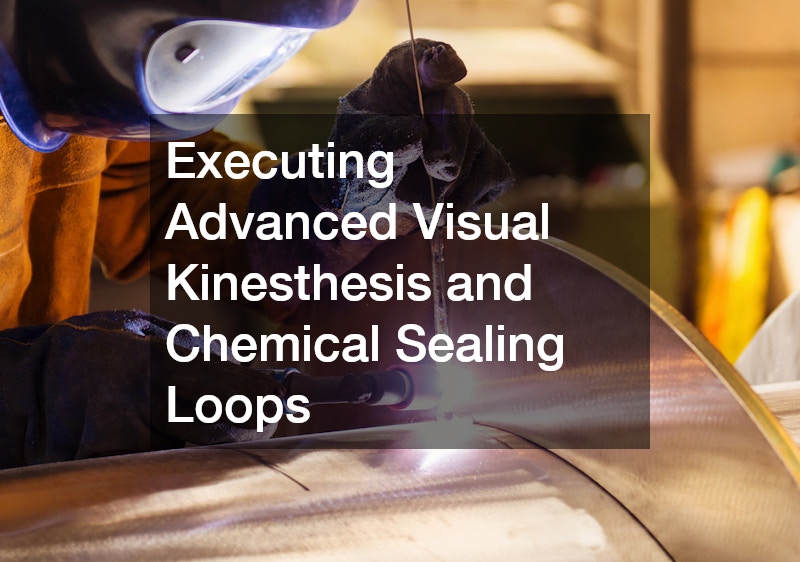
The ultimate success of an unconventional sculpture relies on the artist’s ability to inject life, movement, and emotional resonance into static, everyday materials. When working with cold industrial metals, heavy geological blocks, or coarse automotive rubber, the sculpture can easily feel dense, clumsy, and emotionally flat if the underlying geometry is poorly planned. To counter this mechanical deadness, contemporary creators look to the fluid biomechanics, weight distribution patterns, and elegant suspensions found within elite performing arts disciplines.
To give your heavy structural armatures a striking sense of weightlessness and dynamic energy, you should study the precise physical extensions and skeletal alignment shifts seen in professional ballet dance. Analyzing the rigorous physics of classical ballet dance teaches a sculptor how to position a massive structural center of gravity perfectly over a tiny, delicate base footprint. Translating the dramatic extensions, fluid twists, and elegant suspensions of a ballet dance routine into your internal structural steel pipe bends allows you to create a powerful illusion of active movement, making heavy mediums like stone, concrete, or industrial rubber appear to float, stretch, and bend in mid-air.
- Map out the active tension and compression lines of your sculpture using flexible wire maquettes before scaling up to full-sized steel pipe bends.
- Use counterweighted base plates buried beneath the studio floor to safely support dramatic, sweeping cantilevers without using clunky exterior stay-wires.
Once your sculpture’s kinetic form is fully locked in, you must apply an absolute chemical barrier to protect your non-traditional material mixtures from long-term decay. Because your studio creation incorporates a mix of organic fabrics, volatile automotive rubbers, and porous geological stones, leaving the finished surface unprotected will expose it to atmospheric moisture, rapid oxidation, and structural breakdown. To seal your composite creation permanently, you must encapsulate the entire form in a multi-layer, UV-stabilized clear epoxy coating.
Applying a high-grade, marine-grade epoxy coating over your texturized surfaces locks out oxygen molecules, completely seals fragile textiles against water entry, and prevents copper coins or salvaged industrial rubber from degrading over time. This crystalline epoxy coating acts as a highly durable, clear shield, bonding your disparate industrial and geographic elements into a singular, structurally stable, and micro-protected masterpiece that will withstand the test of time.
True long-term sculptural innovation is achieved only when you step completely into the authoritative role of a proactive material alchemist who actively commands every physical, chemical, and structural variable of their creative terrain. By systematically executing your multi-layered material blueprint—from routing early component discoveries through local tire shops, commercial quarries, and bulk gravel for sale listings to orchestrating professional tool repairs, kinetic ballet dance studies, and high-performance epoxy coating loops—you completely insulate your artistic investments from failure. Build a tight-knit, highly reliable network of industrial chemists, master fabricators, commercial quarry directors, and elite preservation specialists who respect the unique material realities of your work. Command your studio with absolute mechanical confidence, honor the physical feedback loops of your mediums, and advance your creative journey with the absolute assurance that your sculptures will stand as secure, thriving monuments of human innovation, safety, and artistic brilliance for generations to come.